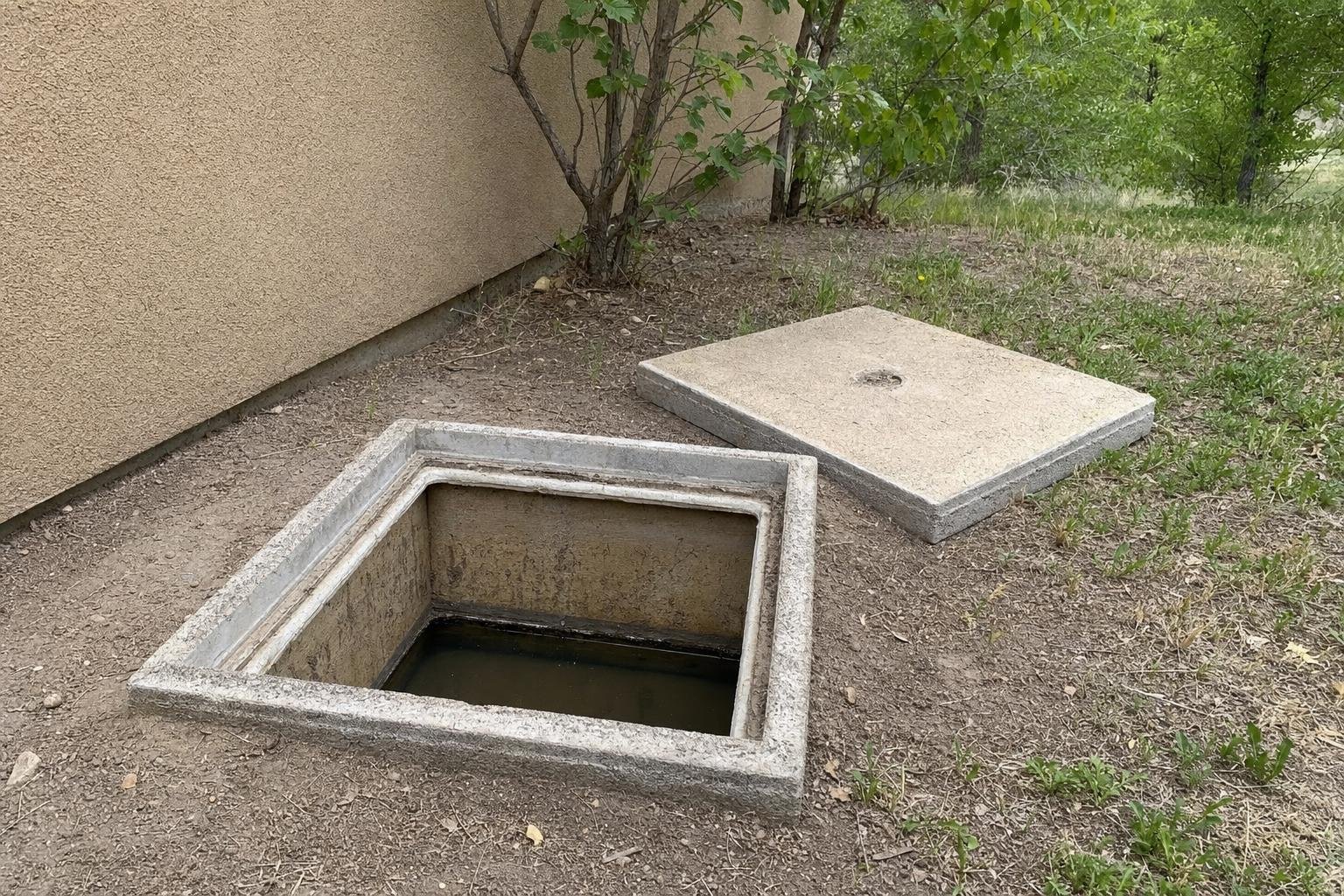
That reading, plus a close look at the tank walls and pipes, is a septic system inspection. It is for the homeowner who wants to know the real condition of the system, not just have the tank emptied.
What we measure and what we look at
The first thing we do at an open tank is measure. We record the depth of the scum layer floating on top and the depth of the sludge settled on the bottom, and we write both numbers down. Together they show how much of the tank's working space is already used up, and they give whoever opens the tank next something to compare against.
We carry two sticks, and each has one job. The scum stick has a crosspiece. The sludge stick has a Velcro strip, so the settled solids show on the strip when it comes back up. In some setups we take the same readings with a hollow sampling tube instead. It is simple equipment, and you can see the evidence on the stick if you are standing there.
Then we look at the tank itself: the walls for cracks, damage, corrosion and leakage, the inlet and outlet pipes, and the baffles or tees, along with any sign of backup. A tank can be perfectly pumpable and still have a cracked wall or a broken baffle. Measuring and looking are the parts of the visit that catch it.
Often paired with effluent filter cleaning. Need septic tank pumping in Pueblo? Start on our home page.
Before you book: What Happens During Septic Tank Pumping: The Steps Explained · Septic Tank Pumping Pricing: What Drives the Number Up or Down
What a basic inspection costs
A basic septic inspection runs $250 to $400. We can give you that typical range on the phone, and we confirm the exact number once we have seen the job. Repairs on anything we find are a separate conversation and a separate written quote, so the inspection fee never turns into repair work you did not agree to.
What you get when we are done
You get a written record. It has the scum and sludge depths and what we saw at the walls, the piping and the baffles or tees, including any cracks, corrosion, leakage or backup signs. It tells you where the system stands today and gives you a baseline for the next visit.
A crack or failed baffle found during an inspection is a repair you can plan and schedule. The same problem found after a backup usually costs more and happens at a worse time.
When to book one
The clearest reason is a backup, or any sign that wastewater has pushed up higher than it should. Visible leakage or damage around the tank, or any worry about cracked walls, corroded parts or the piping at the tank, is another. If the tank has been pumped but nobody measured the sludge or looked at the baffles, an inspection fills that gap. So does not knowing when anyone last checked the inside of the system.
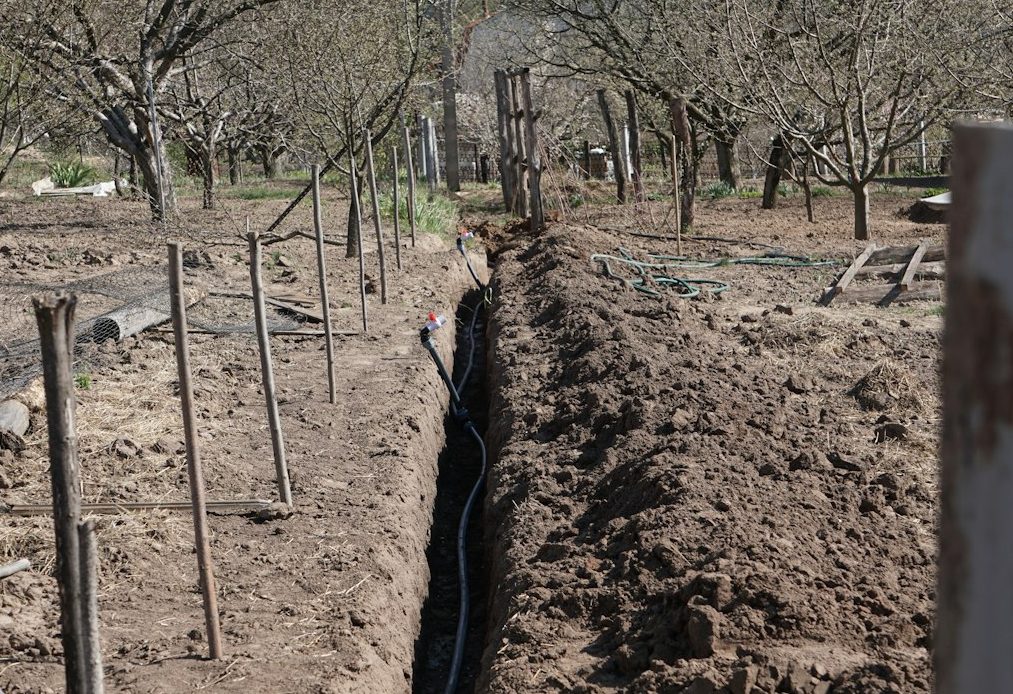
If we have to dig
That is a county-wide picture, and lots differ. If we need to open ground to reach the tank, we check the specific lot instead of assuming every excavation drains the same way.
What It Typically Costs
Use these numbers to budget, and yours gets its own written price once we've seen it.
$250–$900
$200–$250
$400–$700
Questions Welcome
Call (719) 601-8316 and describe the job, and you decide what happens next.